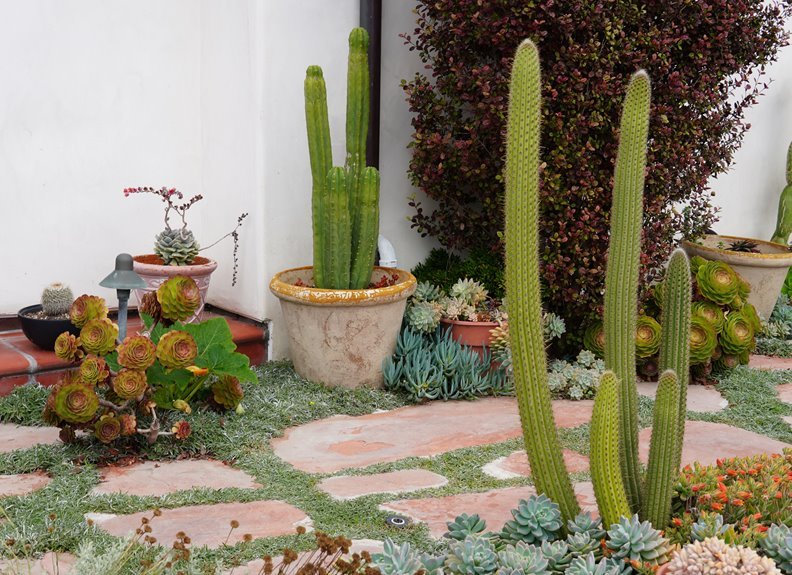
When you think about your outdoor space, consider how native plants can transform it into a sustainable haven. These plants not only thrive in local conditions but also support local wildlife. Combine that with innovative composting techniques, and you’ve got a recipe for healthy soil. But there’s so much more to explore. What if you could design an eco-friendly space that truly connects you to nature?
Choosing Native Plants for Your Sustainable Garden
When you choose native plants for your sustainable garden, you not only enhance your outdoor space but also create a thriving ecosystem.
These plants offer numerous native plant benefits, from attracting pollinators to reducing water usage.
By selecting local species, you boost local biodiversity, fostering a balance that supports wildlife and strengthens your connection to nature.
Embrace freedom in gardening with these vibrant, resilient choices!
Innovative Composting Tips for Healthy Soil
While you might think composting is just about tossing scraps into a bin, innovative techniques can transform your approach and enhance soil health.
Consider setting up worm bins to accelerate decomposition and enrich your compost.
Don’t forget to brew compost tea—this nutrient-rich liquid boosts plant growth and soil vitality, giving your garden the freedom to flourish in harmony with nature.
How to Design Eco-Friendly Outdoor Spaces
Designing eco-friendly outdoor spaces not only enhances your garden’s beauty but also nurtures the environment.
Embrace vertical gardens to maximize space and promote biodiversity. Integrate rainwater harvesting systems to conserve water, ensuring your plants thrive sustainably.
Choose native plants to support local ecosystems, and employ organic materials to reduce your carbon footprint.
This approach fosters a vibrant, self-sustaining landscape that reflects your commitment to nature.
Creating a Sustainable Wildlife-Friendly Haven in Your Backyard
Creating a wildlife-friendly haven in your backyard not only attracts diverse species but also fosters a thriving ecosystem right at your doorstep.
By incorporating native plants and organic gardening techniques, you can create vibrant wildlife habitats.
Adding elements like birdhouses, native flowers, and water features encourages pollinators and birds to thrive, enriching your outdoor space while promoting ecological balance.
Enjoy the freedom of nature’s beauty!
Conclusion
Embracing sustainable gardening might seem daunting, but it’s truly rewarding and manageable. You don’t need a green thumb to start—just a willingness to learn and experiment. By choosing native plants, composting, and designing eco-friendly spaces, you’re not only enhancing your outdoor experience but also fostering a vibrant ecosystem. Plus, every small step you take contributes to a healthier planet. So roll up your sleeves, get your hands dirty, and enjoy the beauty of nurturing nature!