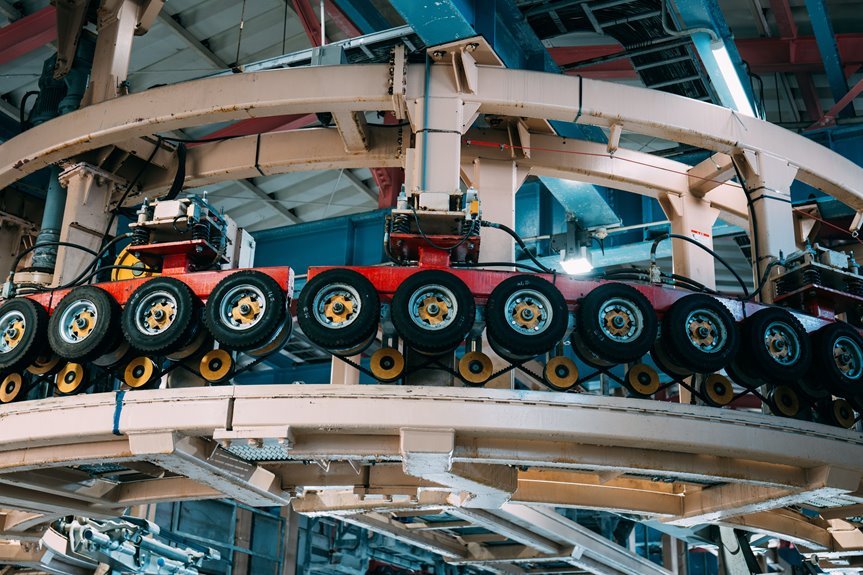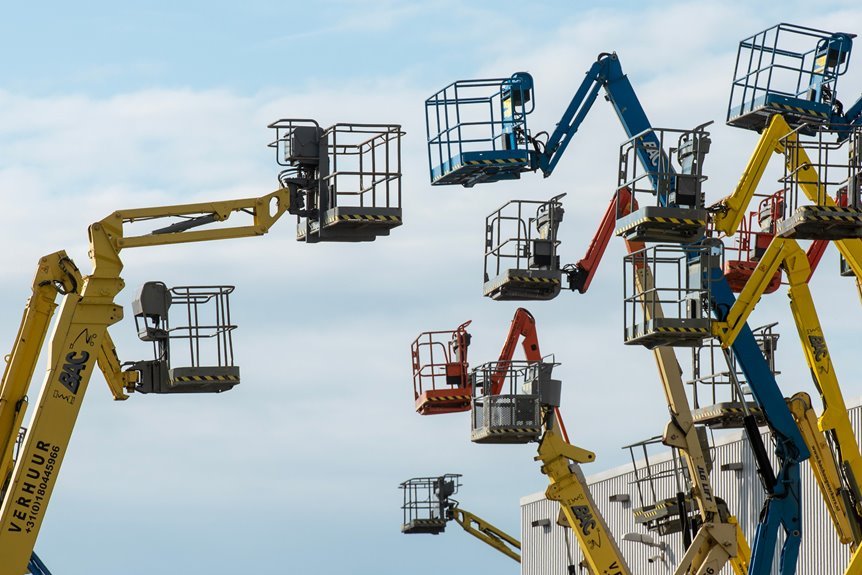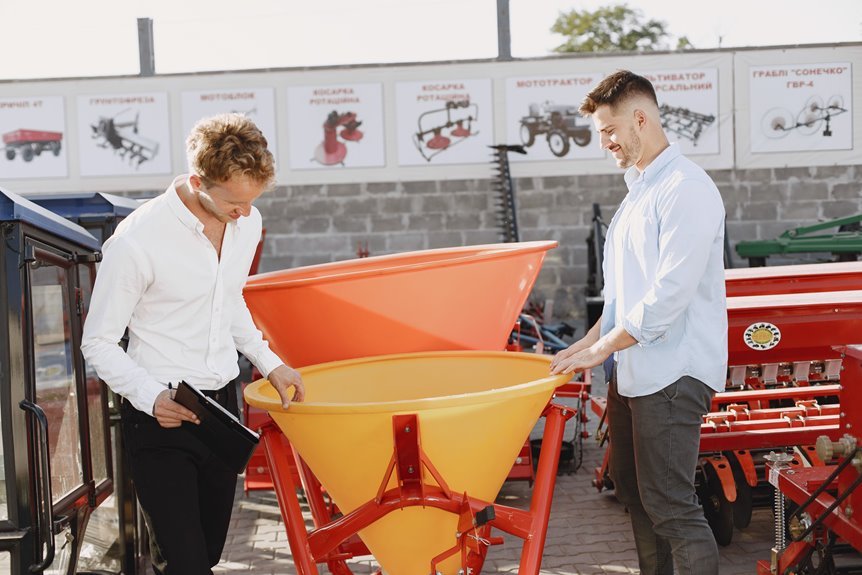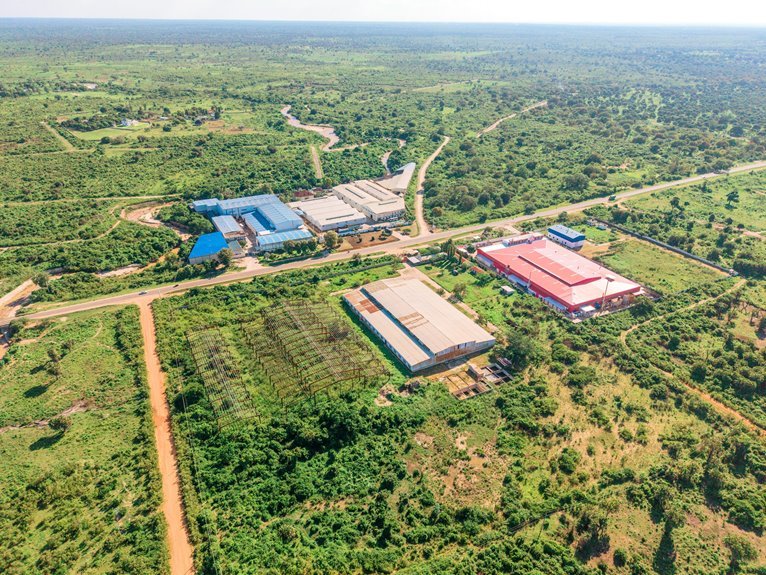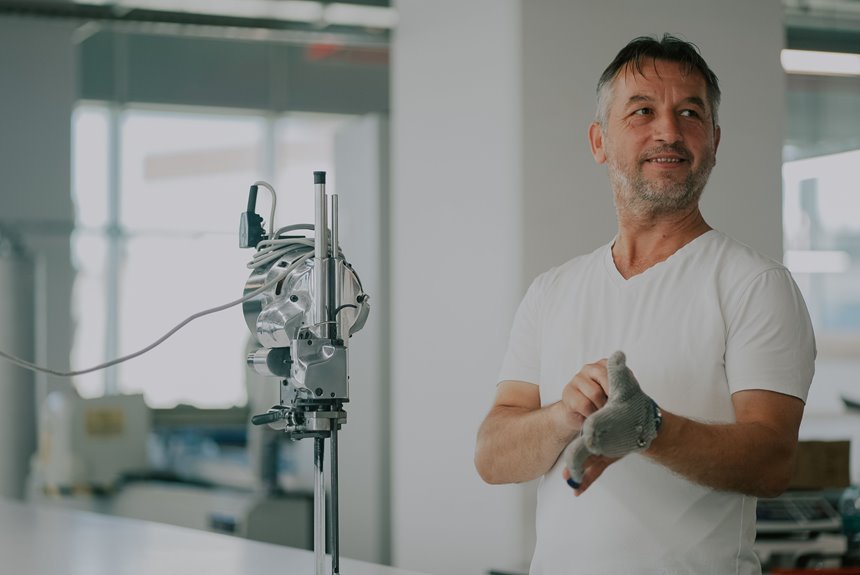
In today’s rapidly evolving landscape, you can’t ignore the impact of automation, sustainability, and AI on manufacturing. These trends aren’t just buzzwords; they fundamentally reshape how industries operate. By streamlining processes and enhancing efficiency, companies are not only improving their bottom lines but also addressing environmental concerns. As you consider these shifts, the question arises: how will these innovations redefine the workforce and operational strategies in the near future?
How Automation Is Revolutionizing Manufacturing Efficiency
Automation is transforming the landscape of manufacturing efficiency, pushing companies to rethink traditional processes.
By embracing robotic integration, you can enhance workflow optimization, reducing downtime and increasing productivity.
These technologies streamline operations, allowing you to allocate resources more effectively.
As you adapt to this new paradigm, you’ll find that agility and innovation become your greatest assets in navigating the competitive manufacturing sector.
Sustainable Practices In Manufacturing
As manufacturers face increasing pressures to reduce their environmental footprint, adopting sustainable practices has become essential for long-term viability.
By integrating green technologies, you can enhance resource optimization, minimizing waste and energy consumption.
Implementing these strategies not only meets regulatory demands but also fosters innovation and improves market competitiveness, allowing you to thrive in a rapidly evolving industrial landscape while championing environmental responsibility.
How AI Enhances Manufacturing Production Processes
Integrating sustainable practices can open the door to advanced technologies like artificial intelligence, which significantly enhances manufacturing production processes.
AI enables predictive maintenance, allowing you to anticipate equipment failures before they disrupt production. Additionally, it streamlines quality control by analyzing data in real-time, ensuring products meet high standards.
This proactive approach not only boosts efficiency but also fosters innovation in your operations.
What’s Next For Smart Manufacturing?
What does the future hold for smart manufacturing as technology evolves at an unprecedented pace?
You’ll likely see digital twins becoming integral, allowing real-time simulations of production systems. This enhances decision-making and operational efficiency.
Predictive maintenance will also transform how you approach equipment management, minimizing downtime and maximizing productivity.
Embracing these innovations can lead to greater flexibility and responsiveness in your manufacturing processes.
Conclusion
In the ever-evolving landscape of manufacturing, “adapt or perish” rings true. Embracing automation, sustainable practices, and AI isn’t just beneficial; it’s essential for staying competitive. As you navigate these trends, remember that the synergy between humans and machines will define the future of smart manufacturing. Continuous learning and collaboration are key; they’ll empower you to leverage innovation effectively. The journey ahead is challenging but ripe with potential for those ready to embrace change.