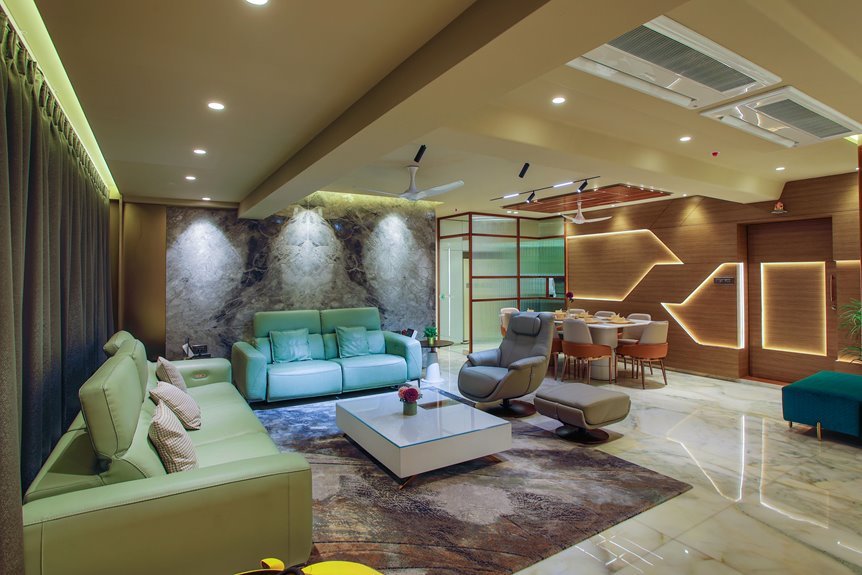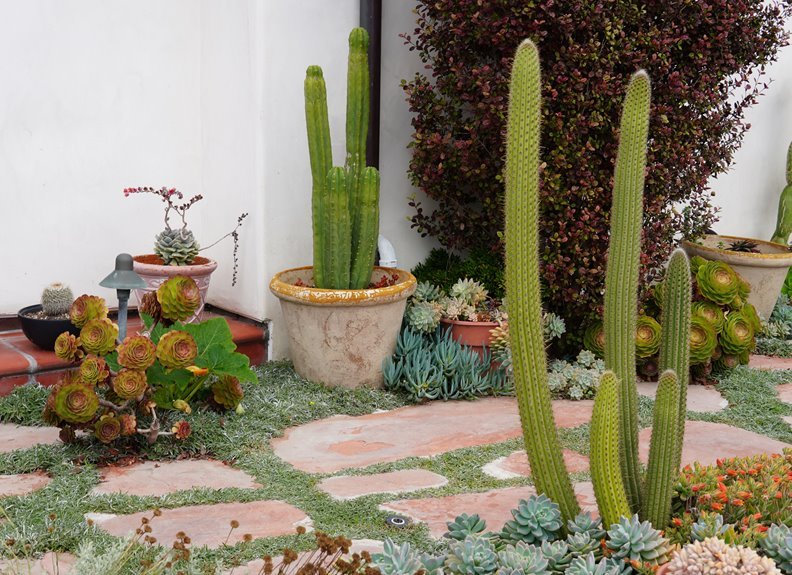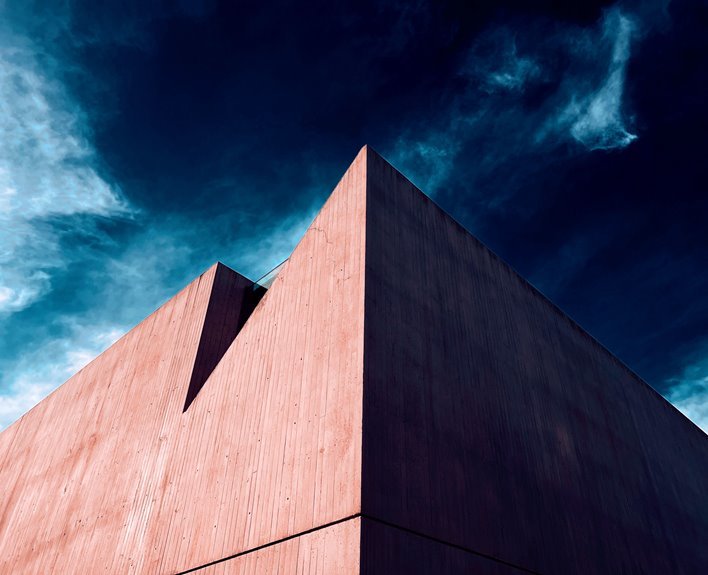
As you explore the evolving landscape of modern building design, consider how the integration of sustainable materials, smart technology, and flexible layouts is reshaping our environments. Each trend not only enhances aesthetic appeal but also aligns with a growing awareness of environmental responsibility. What does this mean for the future of urban spaces? The answer lies in the interplay between design, community, and innovation. Let’s unpack these elements further.
The Rise of Sustainable Materials in Architectural Trends
As architects strive to meet the demands of a changing world, the rise of sustainable materials is transforming modern building design.
You’ll find biodegradable materials and recycled resources becoming staples, enhancing energy efficiency and reducing environmental impact.
These eco-friendly practices not only elevate aesthetics but also foster a deeper connection between structures and nature, empowering you to embrace a sustainable future in architecture.
How Smart Tech Makes Life Easier at Home?
While you might think of smart technology as just a trend, it’s fundamentally reshaping how we experience our homes.
Smart homes enhance user experience through automation benefits, allowing you to control connected devices effortlessly.
With remote control, you can manage energy efficiency, optimizing usage and reducing costs.
This seamless integration empowers you, creating a lifestyle that’s both convenient and sustainable.
Trends in Flexible Architectural Design
The integration of smart technology into our homes has sparked a broader rethinking of architectural design, particularly in terms of flexibility.
Adaptive reuse and modular construction allow you to create dynamic spaces that evolve with your needs.
Incorporating biophilic design fosters a connection to nature, enhancing well-being.
These trends empower you to craft environments that truly reflect your lifestyle and aspirations.
How Urban Landscapes Foster Community Connections?
Urban landscapes play a crucial role in fostering community connections by creating inviting spaces where people can gather and engage.
Well-designed community spaces, adorned with public art, spark interactions and inspire creativity.
Green corridors promote nature, while walkable neighborhoods encourage exploration and socializing.
Together, these elements cultivate a sense of belonging, enhancing the vibrancy and cohesiveness of urban life.
Conclusion
As you explore these architectural trends, consider this: buildings constructed with sustainable materials can reduce energy consumption by up to 30%. This shift not only enhances your living experience but also contributes to a healthier planet. By embracing smart technology and flexible designs, you’re not just investing in a structure; you’re fostering a community that prioritizes connection and well-being. These innovations reshape urban landscapes, making them more vibrant and responsive to your needs. Embrace the future of architecture!