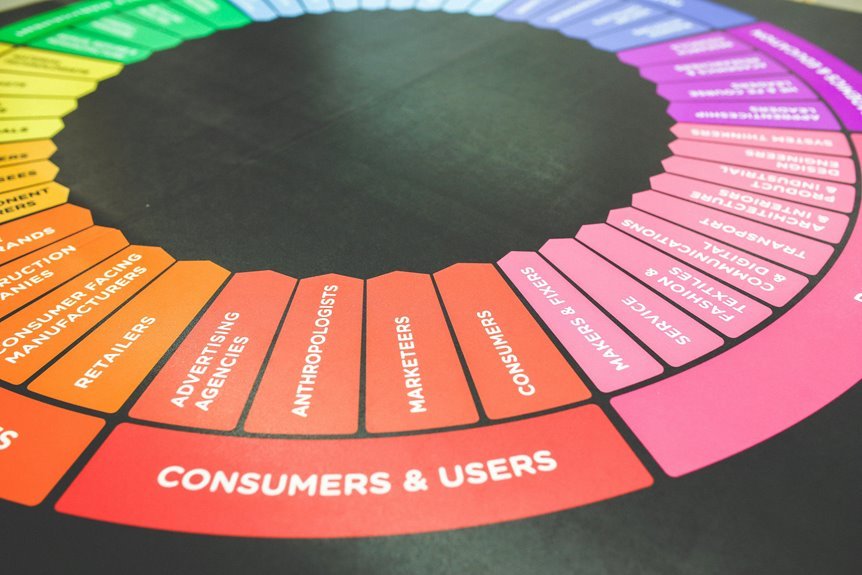
Group synonym
A group synonym refers to a collection of words or terms that have similar or nearly the same meanings and can often be used interchangeably within a particular context. Instead of relying on a single keyword or word repeatedly, writers use a group of synonyms to express the same idea in different ways while maintaining the original meaning. This approach is especially useful in writing, language learning, and search engine optimization (SEO) because it improves readability, avoids repetition, and helps content appear more natural. For example, words like big, large, huge, and enormous form a group synonym because they all describe something of great size. Using group synonyms allows communication to remain clear, diverse, and engaging while still conveying the same concept.

NaxtalGroup Report: 423‑354‑0175 Phone Number Explained
The NaxtalGroup report scrutinizes the phone number 423‑354‑0175 within the framework of the North American Numbering Plan. It outlines the number’s significance in facilitating business communication while also addressing consumer trust. The report raises critical points about privacy and the…

Full Details of 424‑385‑0597 Caller | NaxtalGroup
The number 424-385-0597 has garnered significant attention due to numerous spam reports, raising questions about its legitimacy. Many individuals have voiced their frustrations regarding unsolicited calls from this number, leading to concerns about privacy and security. NaxtalGroup, a notable entity…

NaxtalGroup Phone Lookup: 425‑635‑2970 Information
NaxtalGroup’s Phone Lookup service offers a systematic approach to uncovering information associated with specific phone numbers, such as 425‑635‑2970. This service leverages a vast database, which may provide insights into caller identity and history. Users can explore how this number…

Who Called From 438 238 1439? Check With Naxtalgroup
The number 438 238 1439 has sparked curiosity among many individuals who have received calls from it. Questions arise about the caller’s identity and intentions. Naxtalgroup offers a solution to uncover the truth behind such mystery calls. By leveraging their…

NaxtalGroup Investigation: 438‑604‑5244 Caller Details
The investigation into the caller identified as 438‑604‑5244, linked to NaxtalGroup, highlights concerns about the nature of these communications. NaxtalGroup is acknowledged for its technological innovations, yet feedback from recipients reveals inconsistencies in communication clarity. This raises critical questions about…
Group Synonym – Meaning, Examples, Uses, History, and Modern Language Trends
Introduction
A group synonym refers to a word or phrase that has a similar meaning to another word within the same context or category. In language, synonyms help improve communication by allowing speakers and writers to express the same idea in different ways. Instead of repeating the same word multiple times, writers can use group synonyms to make sentences more engaging, natural, and SEO-friendly.
In linguistics and writing, synonyms are commonly grouped based on meaning, usage, tone, and context. These groups help writers choose the most accurate word for their message. For example, words like team, cluster, collection, assembly, and crowd can all function as group synonyms depending on the situation.
Group synonyms play an important role in modern communication, especially in SEO writing, academic writing, content marketing, and everyday conversation. Search engines also rely on semantic understanding, which means they recognize groups of similar words rather than just one keyword.
This article explains the meaning of group synonyms, examples, history, usage in writing, SEO benefits, modern updates, and frequently asked questions.
What is a Group Synonym?
A group synonym is a set of words that share similar meanings and can be used interchangeably in certain contexts. These words belong to the same semantic group because they describe similar ideas, objects, or actions.
For example, if someone is talking about a group of people, different synonyms may be used depending on context:
- Team
- Crowd
- Community
- Assembly
- Gathering
- Crew
Although these words have similar meanings, they are not always identical. Each synonym carries slightly different shades of meaning.
Using group synonyms helps writers avoid repetition, improve clarity, and make content more dynamic.
Importance of Group Synonyms in Language
Group synonyms are essential for several reasons:
1. Improves Communication
Synonyms allow people to express ideas more clearly and accurately. If one word does not perfectly describe a situation, another synonym from the group might.
2. Reduces Repetition
Repeated use of the same word makes writing boring. Using synonyms keeps the text fresh and engaging.
Example:
Instead of writing:
“The group gathered. The group discussed the topic. The group decided the result.”
You can write:
“The team gathered, the members discussed the topic, and the assembly decided the result.”
3. Enhances SEO Content
Search engines analyze semantic relationships between words. Using related synonyms helps search engines understand content better and improves ranking potential.
4. Improves Vocabulary
Learning synonym groups helps people expand vocabulary and develop stronger language skills.
Common Examples of Group Synonyms
Below is a table showing examples of group synonyms used in everyday language.
| Main Word | Synonym 1 | Synonym 2 | Synonym 3 | Synonym 4 |
|---|---|---|---|---|
| Group | Team | Cluster | Collection | Assembly |
| People | Crowd | Audience | Community | Population |
| Small Group | Pair | Duo | Trio | Squad |
| Organization | Association | Society | Union | Alliance |
| Gathering | Meeting | Conference | Convention | Summit |
These words belong to the same semantic group but may be used differently depending on context.
Types of Group Synonyms
Group synonyms can be categorized based on their meaning and usage.
1. Exact Synonyms
These words have nearly identical meanings and can usually replace each other without changing the sentence.
Example:
- Begin / Start
- End / Finish
- Buy / Purchase
2. Partial Synonyms
These words have similar meanings but slightly different usage.
Example:
- Group
- Team
- Crowd
A team often works together for a purpose, while a crowd is simply a large number of people.
3. Contextual Synonyms
These synonyms depend on context.
Example:
The word group could mean:
- A team in sports
- A cluster in science
- A community in society
4. Formal and Informal Synonyms
Some synonyms belong to different language styles.
Example:
| Informal Word | Formal Synonym |
|---|---|
| Group | Organization |
| Talk | Discuss |
| Help | Assist |
| Buy | Purchase |
Understanding these differences helps writers choose the best synonym for their audience.
Historical Development of Synonyms in Language
The concept of synonyms has existed for centuries. Ancient scholars studied language structure and recognized that many words could express similar meanings.
Ancient Linguistics
In ancient civilizations such as Greece, India, and China, scholars analyzed vocabulary patterns and created early dictionaries. They categorized words into semantic groups to understand language better.
Medieval Language Studies
During the medieval period, scholars began compiling large dictionaries and thesauruses. These references helped writers discover groups of synonyms for literature and poetry.
Modern Thesaurus Development
The modern thesaurus became popular in the 19th century. It organized words into conceptual groups rather than alphabetical order. This made it easier to find synonyms based on meaning.
Today, digital tools and AI language systems automatically detect synonym groups to improve communication and search engine optimization.
Use of Group Synonyms in SEO Writing
Group synonyms are extremely important in SEO content writing. Search engines no longer rely only on exact keywords. They analyze related terms and semantic variations.
Semantic SEO
Search engines understand the relationship between words. If an article includes related synonyms, it helps search engines understand the topic more deeply.
Example keyword:
Group synonym
Related semantic terms may include:
- word alternatives
- similar words
- synonym groups
- vocabulary variations
- semantic equivalents
Keyword Optimization
Using multiple related synonyms helps content rank for several variations of a keyword.
Example:
Instead of repeating group synonym, writers can also use:
- synonym groups
- related words
- word alternatives
- vocabulary equivalents
This improves natural readability while maintaining SEO optimization.
Content Depth
Articles that include various related terms appear more informative and comprehensive to search engines.
Examples of Group Synonyms in Sentences
Here are practical examples showing how synonyms can replace each other.
Example 1:
“The group of students completed the project.”
Alternative sentences:
“The team of students completed the project.”
“The collection of students completed the project.”
“The assembly of students completed the project.”
Example 2:
“A large group gathered at the event.”
Alternatives:
“A large crowd gathered at the event.”
“A large audience gathered at the event.”
“A large community gathered at the event.”
Each synonym provides a slightly different tone or context.
Common Group Synonym Categories
Many words form synonym groups based on topic.
People Groups
- Team
- Crowd
- Assembly
- Community
- Audience
Organization Groups
- Association
- Union
- Society
- Alliance
- Federation
Small Group Synonyms
- Pair
- Duo
- Trio
- Squad
- Unit
Large Group Synonyms
- Crowd
- Mass
- Population
- Multitude
- Gathering
These categories help writers select the most accurate word.
Table of Context-Based Group Synonyms
| Context | Word | Synonym Options |
|---|---|---|
| Sports | Team | Squad, Lineup, Side |
| Business | Organization | Company, Firm, Corporation |
| Society | Community | Population, Society, Public |
| Meeting | Gathering | Assembly, Conference, Convention |
| Science | Cluster | Group, Set, Collection |
This table shows how different contexts influence synonym choice.
Benefits of Using Group Synonyms in Content
Better Readability
Using different words keeps readers interested and prevents repetitive language.
Improved Writing Quality
Synonyms make sentences more expressive and precise.
SEO Ranking Advantages
Search engines reward content that uses natural language and semantic variations.
Professional Communication
Writers, journalists, and marketers use synonym groups to create polished and professional content.
Recent Updates in Synonym Usage and Language Technology
Language technology has evolved significantly in recent years.
AI and Natural Language Processing
Modern AI systems analyze large text databases to identify synonym relationships automatically.
Search Engine Semantic Understanding
Search engines now understand topic clusters instead of single keywords. This means synonyms are essential for ranking.
Voice Search Optimization
With the rise of voice assistants, people search using natural speech. This increases the importance of synonym variations.
Example voice searches:
- “What is a synonym for group?”
- “Words similar to group”
- “Other words for a group of people”
Content that includes these variations is more likely to appear in search results.
Content Marketing Trends
Modern content strategies encourage writers to use semantic keyword clusters, which include multiple synonyms related to a topic.
How to Find Group Synonyms
There are several ways to find synonyms.
Thesaurus
A thesaurus lists groups of words with similar meanings.
Online Tools
Digital tools and search engines provide synonym suggestions instantly.
Dictionaries
Many modern dictionaries include synonym sections.
AI Writing Assistants
AI tools automatically suggest synonym groups while writing.
These methods help writers improve vocabulary and content quality.
Best Practices for Using Group Synonyms
To use synonyms effectively, follow these guidelines:
Understand Context
Not all synonyms fit every sentence. Always choose words that match the situation.
Avoid Overuse
Too many synonyms can confuse readers. Use them naturally.
Maintain Clarity
The main goal of synonyms is to improve communication, not complicate it.
Use SEO Strategy
Include synonyms that match search intent and related keywords.
Frequently Asked Questions (FAQ)
What is a group synonym?
A group synonym is a set of words with similar meanings that belong to the same category and can sometimes be used interchangeably.
Why are synonyms important in writing?
Synonyms help improve readability, reduce repetition, and make writing more engaging.
Can synonyms always replace each other?
No. Some synonyms have slightly different meanings or contexts, so they cannot always be used interchangeably.
How do synonyms help SEO?
Synonyms allow search engines to understand the topic more clearly and help content rank for multiple related keywords.
What are examples of group synonyms?
Examples include:
Group – Team – Assembly – Crowd – Collection.
Where can I find synonyms?
Synonyms can be found in dictionaries, thesauruses, online tools, and AI writing assistants.
Are synonyms important for vocabulary development?
Yes. Learning synonyms helps people expand vocabulary and improve communication skills.
Conclusion
Group synonyms play a crucial role in language, communication, and modern digital content. They allow writers to express ideas more clearly while avoiding repetition and improving readability. In addition to enhancing writing quality, synonym groups are extremely valuable for SEO optimization, as search engines now analyze semantic relationships between words.
Throughout history, linguists and scholars have studied synonyms to understand language structure and meaning. Today, modern technology and AI tools continue to expand our understanding of synonym groups, making it easier than ever to improve vocabulary and create high-quality content.
By learning how to use group synonyms effectively, writers, students, marketers, and businesses can produce content that is both engaging for readers and optimized for search engines. As language continues to evolve, the role of synonyms will remain essential in shaping clear, effective, and dynamic communication.